There is a simple way to assess how much Iowa governments think ordinary citizens deserve to know, and engage in the debate, when officials have an initiative they are eager to undertake.
Call it the parking lot test.
The recent whirlwind of economic events in Iowa suggests that this time, the state’s decision-making process gave citizens far less opportunity for review and participation than they routinely receive when city councils and school boards make much smaller and less consequential decisions.
The issue came into focus last month with events surrounding the proposed $15 billion steel mill in Lee County.
Just four days after President Donald Trump announced the project in the Oval Office on September 28, Governor Kim Reynolds called a special session of the Legislature and lawmakers rushed to approve to a bill raising Iowa taxpayers’ potential commitment to the project to $1.36 billion. That is just under $500 for every person living in the state.
Lawmakers and the governor acted without providing ordinary Iowans with a copy of the bill or a meaningful opportunity to study the proposal and offer their views on such a significant commitment of government resources to a single project.
Others can decide whether the steel mill is a sound investment for taxpayers or is the latest example of politicians spotting a shiny promise of new jobs and new industry. My concerns here deal with the rapid pace of this project and the message — intended or not — that citizen questions and independent research are obstacles to push aside, rather than an integral part of the process that should be embraced.
Put simply, why should the tax incentives come first and the public’s full understanding come later?
This is not how Iowa’s cities, counties and school districts typically operate. They do not tell residents, “Trust us. We’ll figure out the details and answer your questions later — after we have committed your tax money.”
When a local government wants to pave a parking lot, for example, it provides notice, places the project on a future meeting agenda and then holds a public meeting at which people can weigh in with their opinions and questions. Then the government board votes.
Most local officials embrace this process as a way to explain their recommendations and build public support for their decisions. The greater the taxpayers’ and government’s commitment of public money, the greater the public’s need for information, time and opportunity to be heard.
If this is important for a school parking lot, why shouldn’t citizens receive at least as much opportunity to understand and comment before a decision is made that will cost Iowa taxpayers $1 billion over 10 years — especially when the state general fund stands at $9.6 billion per year and the state has been spending more money than it takes in?
That is not how information has flowed concerning the steel mill.
Yes, Iowans know the developer is Mesabi Metallics. They know it is owned by a business group based in India. The governor and president talked about its $15 billion price and its annual production capacity of up to 10 million tons of steel.
Iowans’ eyes have lit up over the 6,000 temporary construction jobs, as well as 1,750 permanent plant jobs that Mesabi says will pay an average of $48 per hour.
But the rush from the Oval Office to the Legislature’s chambers left plenty of important questions unanswered. For example:
How much truck, rail or barge traffic will the project create hauling iron ore from Minnesota? How much electricity and water will the mill consume each year? Who will pay for expanding the power grid and water supply? What will happen to the plant’s wastewater, and who will pay for treating it?
What about air quality? Will the plant’s emissions resemble those from older steel mills, or will Mesabi’s electric furnaces be cleaner? What emission standards will apply?
And what about local property tax incentives?
Even legislators had substantive concerns that deserved more examination. Senator Dan Dawson, a Council Bluffs Republican, voted against the changes to the incentive law after voicing his objections.
It is wrong, he said, for state government to pay 10 percent of the cost of any business project. Long-standing Iowa companies with more employees than Mesabi promises will pay higher tax rates because of these incentives, Dawson added.
These are the kinds of questions Iowans have been able to get answered about pipelines, livestock confinements, computer data centers — and school parking lots. And those projects have not involved $1 billion in taxpayer incentives.
The Mesabi assistance would surpass the previous record for a single project — $109 million for a fertilizer plant built by an Egyptian company in Lee County in 2017.
Mesabi’s supporters believe the project will be a significant boost to Iowa’s economy. But more transparency does not mean opposition. Iowans deserve enough information and time to judge the project for themselves and understand what the public is buying.
If that is the standard Iowa applies before paving a simple school parking lot, it seems a reasonable standard to apply before Iowa paves the way for a billion-dollar tax break for a steel plant.
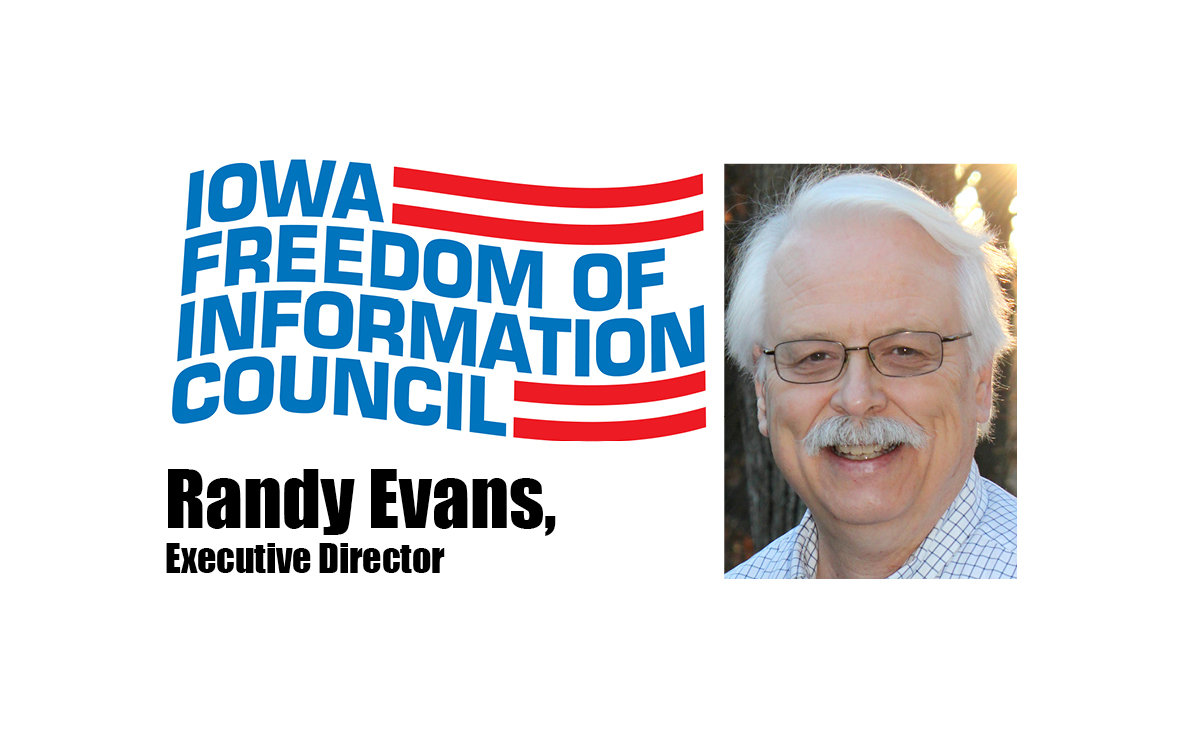
Randy Evans is executive director of the Iowa Freedom of Information Council and writes a weekly column for members.



Comments
No comments on this item Please log in to comment by clicking here